Single-file feed
Product is separated so it passes the camera one piece at a time. The inspection and ejection zones are kept apart.
A vision-based sorting system. We design the belt, the enclosed light cabin, the camera and the classification as a single chain, so mouldy, rotten, discoloured and foreign-material product leaves the line.
VisionSort inspects dried-food product piece by piece and physically removes what fails. The same machine is reconfigured for different product families — nuts, dried fruit and mushrooms among them.
What distinguishes the system is not the camera but the conditions the camera works in: controlled illumination, a fixed viewing geometry, and decision rules tuned to the product family.
Six stages from the feed point to the ejection point
Product is separated so it passes the camera one piece at a time. The inspection and ejection zones are kept apart.
External light is blocked, illumination is held constant, and the camera is isolated from vibration.
Synchronous capture for a moving line. Product with irregular surfaces is imaged from more than one angle.
Each image passes through the computer-vision model separately and produces its own findings.
Per-image findings are merged into a single verdict: accept, reject, or hygiene risk.
The product is removed by computing the delay between decision and actuator together with where the product is at that moment.
The enclosure blocks external light, holds the illumination steady and protects the camera from vibration. The right light makes a defect visible; the wrong light blinds even the best model. That is why the light geometry — bright field, dark field, backlight, dome, coaxial, low-angle — is chosen before the model, according to the defect type.
A fixed camera under controlled light removes most of the variation a handheld or moving camera introduces. The model then solves one problem instead of two.
Every piece resolves to one of three outcomes — and the two reasons for rejection are not conflated
The product stays on the line and continues through the normal flow.
Discolouration, mechanical damage or foreign material. Removed from the line, and can be routed to a re-sorting pass to reduce the loss of sound product.
Mould or rot. Removed unconditionally and never re-sorted.
A finding may be visible from one angle and hidden from the others — the product's own body can occlude it. Findings are therefore merged with a "real if seen from any angle" rule rather than "all angles must agree". In a quality and hygiene context, the cost of missing a finding is far higher than the cost of one extra inspection.
The colour coding shows which verdict each defect leads to
Mould growth on the surface.
Moisture-driven spoilage, softening, staining.
Infestation and insect-bored holes.
Soil, twigs, leaves, stones.
Mechanical damage, fragmentation, deformation.
Colour deviation and oxidation-driven darkening.
The same machine, configured to the product family
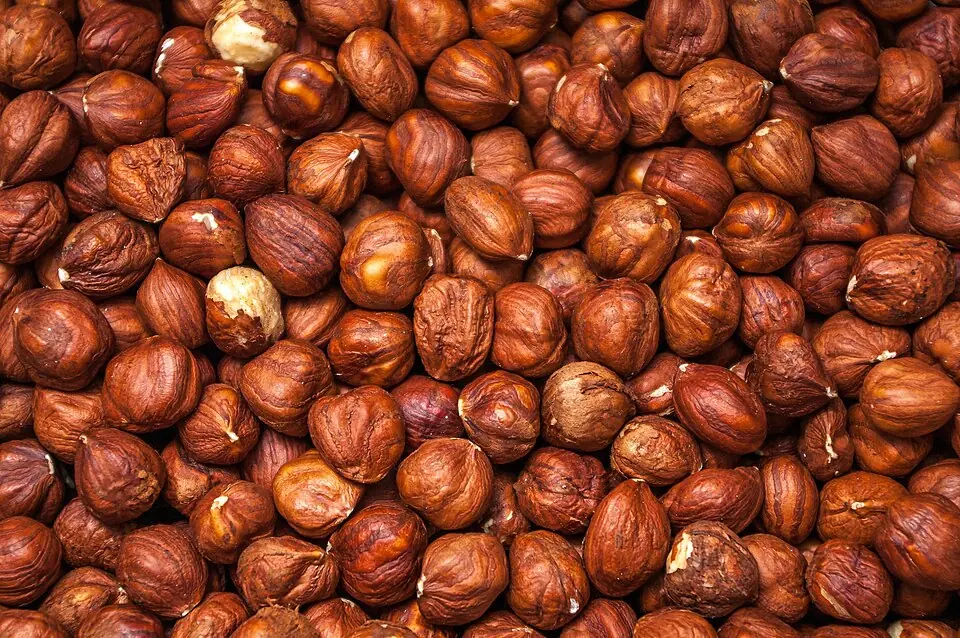
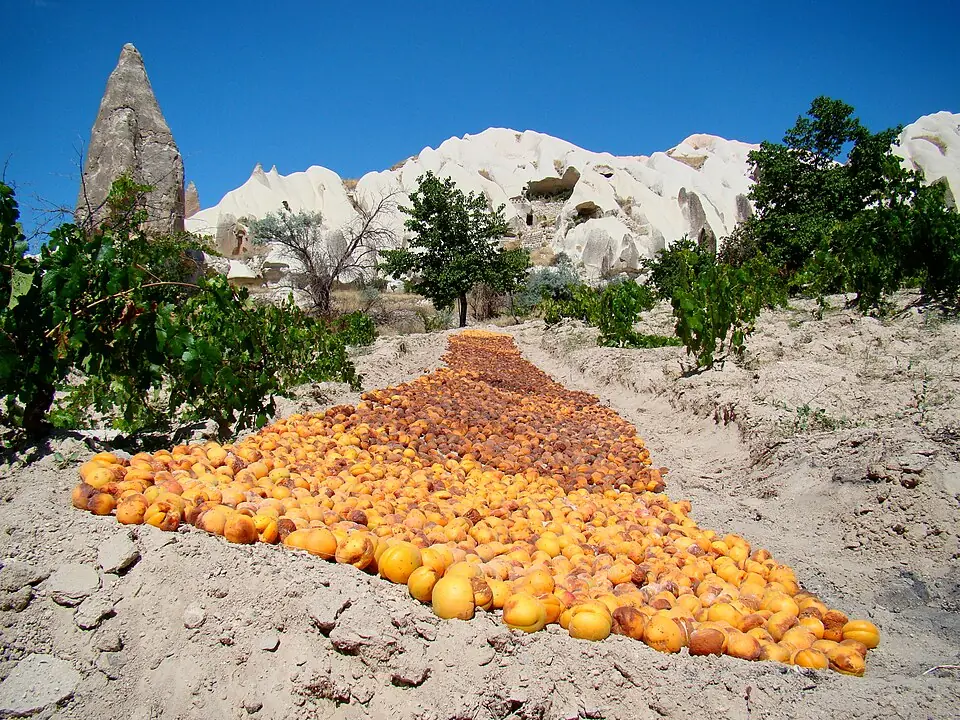

The machine is built to run as part of your existing line, not beside it.
Visibility comes first, not the model.
For each product family the imaging chain — wavelength, sensor, lens, light, filter — is designed for that product. Work begins with a visibility trial on your own samples: we first demonstrate physically which light and which wavelength show the defect at the highest contrast. The model comes after that.
Talk to our team about a visibility trial with your own samples